GMP IPO Watch
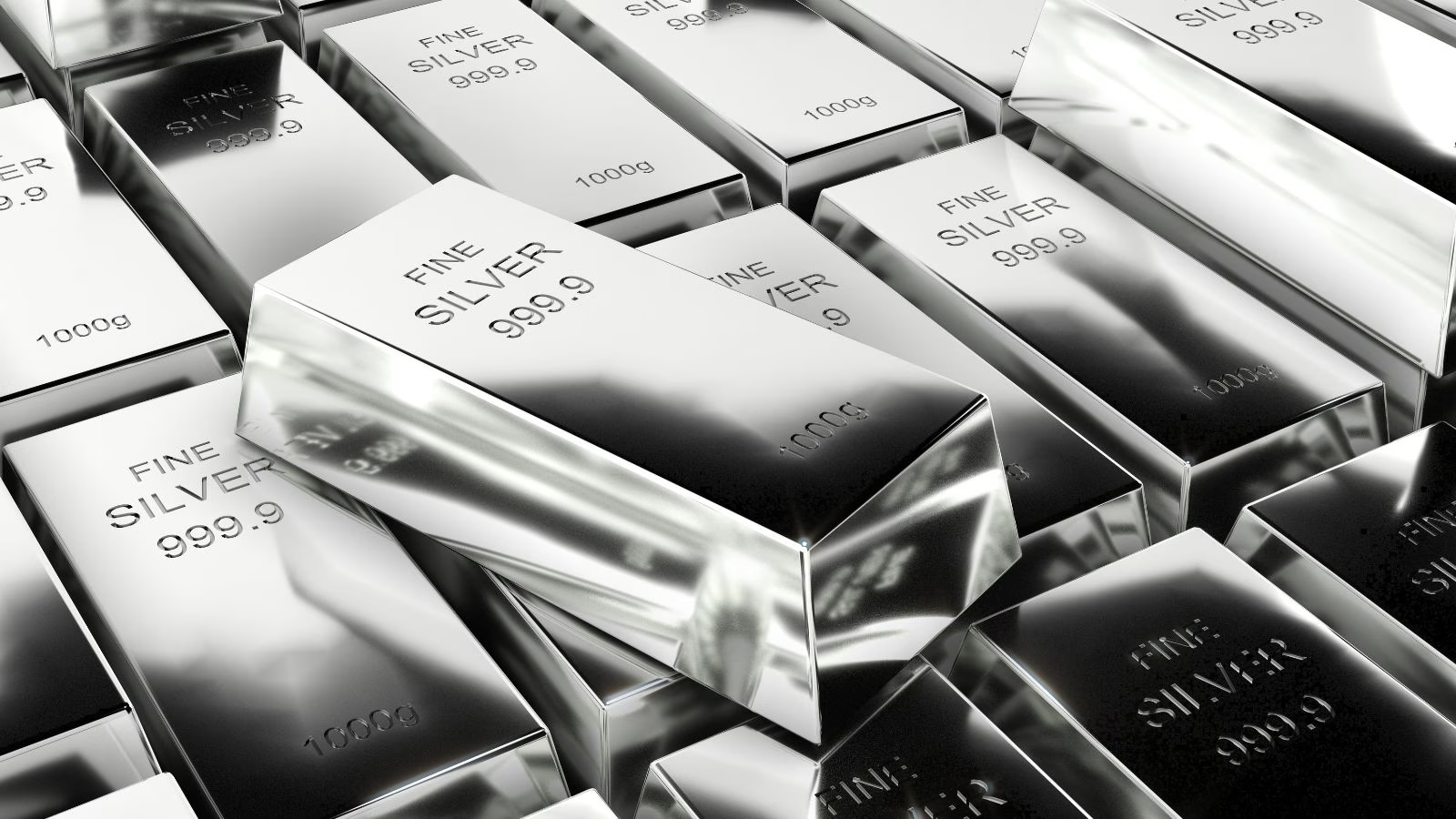
Silver has officially shed its reputation as "gold's poorer cousin." In early 2026, the market witnessed a historic milestone as silver prices vaulted past $100 per ounce. This follows a blockbuster 2025 where the metal surged by nearly 150%. This isn't just speculation; it is the result of a massive structural deficit where industrial demand for solar panels, EVs, and AI infrastructure is simply moving faster than mines can dig the metal out of the ground.
Currently, the market is in "price-discovery territory." With the gold-to-silver ratio compressing toward 50:1, silver is finally being revalued for its industrial indispensability. From the wiring in your electric vehicle to the high-capacity power distribution in AI data centers, silver’s conductivity makes it the "essential element" of the green energy transition. This dual role—as both a monetary asset and a critical industrial input—is what makes its current value so explosive.
Projecting toward 2030, the outlook for silver is even more intense. Experts suggest that we are in the midst of a multi-year supply shortage that won't be fixed overnight. By 2030, solar applications alone could consume over 300 million ounces annually. Conservative long-term targets place silver in the $130–$150 range, but some analysts believe a "squeeze" could push it toward $200+ if the shortage becomes critical.
One of the most compelling factors for the next four years is the "retail FOMO" (Fear Of Missing Out). As silver surpasses psychological thresholds like $100, we expect to see waves of new investors entering the market through ETFs and physical bullion. This influx of capital, combined with the fact that there is no real substitute for silver in many tech applications, creates a powerful upward spiral for its value.
For those watching the markets in 2026, the message is clear: silver is no longer a side story. It has become one of the most asymmetric opportunities in commodities. By the time we reach 2030, the "silver century" may well be in full swing, driven by a world that cannot build its future without this shiny, conductive metal.