GMP IPO Watch
1. What Does Highness Microelectronics Do?
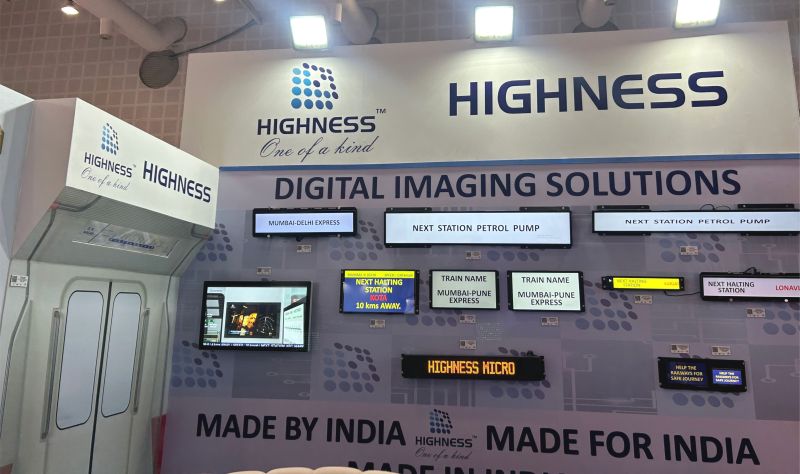
Highness is not just another electronics company; they are a niche technology integrator. They design and manufacture "Rugged Displays"—screens built to survive extreme conditions (vandal-proof, sunlight-readable, and wide temperature ranges).
The "Shift": Historically, they were a service and repair firm, but they have evolved into a manufacturer.
Key Sectors: Their products are mission-critical for Defense & Aerospace (now 45% of revenue), Railways (e.g., display systems for Metro trains), and Healthcare (medical-grade monitors).
Current Order Book: As of late 2025, they held orders worth over ₹10 crore, including a significant contract for the Delhi Metro (DMRC).
2. IPO Timeline & Key Details
The bidding for retail investors starts tomorrow. Take note of the higher entry cost typical of SME segments.
| Event / Detail | Dates & Information |
|---|---|
| IPO Open Date | Tuesday, March 24, 2026 |
| IPO Close Date | Friday, March 27, 2026 |
| Price Band | ₹114 to ₹120 per share |
| Lot Size | 1,200 Shares |
| Minimum Investment (Retail) | ₹2,88,000 (2 Lots) |
| Allotment Date | Monday, March 30, 2026 |
| Listing Date | Thursday, April 2, 2026 (BSE SME) |
3. Grey Market Premium (GMP) Today
Current GMP: ₹0 to ₹7 (Estimated)
Status: Muted. The grey market is currently pricing this at a very slim premium. While earlier signals showed a small listing gain of ~5%, the current broader market volatility (with the Nifty slipping recently) has kept speculators cautious. This is a stock for fundamental investors, not "listing gain" hunters.
4. Financial Health: Fast Growth, Higher Debt
The company has shown a massive jump in scale recently:
Revenue Growth: Jumped from ₹9.67 Cr (FY23) to an estimated ₹14.41 Cr (9M FY26).
Profitability: PAT margins are healthy at around 17.5%.
The Debt Factor: Total borrowings have increased to nearly ₹8.20 Cr (up from ₹1.38 Cr in FY24) as they fund their expansion. A portion of the IPO proceeds will be used specifically to pay down this debt.
5. The "Why" Behind the IPO
The company is moving from importing "Open-Cell" modules to making them. They are setting up a new assembly line in Rabale, Mumbai, to manufacture specialized glass-based modules in-house. This should theoretically improve their margins and reduce reliance on Chinese imports.
6. Investor Verdict: The Pros & Cons
The Bull Case (The "Pros"):
Niche Monopoly: There are very few Indian companies specialized in "Rugged" displays for defense and railways.
Sector Tailwinds: They benefit directly from the "Make in India" push in defense and the massive expansion of Metro networks.
Valuation: At a P/E of ~16.7x, it is priced reasonably compared to some semiconductor and tech hardware peers.
The Bear Case (The "Cons"):
Import Reliance: They still source a majority of raw materials from China, making them vulnerable to geopolitical tensions or supply chain shocks.
Customer Concentration: A few large clients (like DMRC) contribute a huge portion of their revenue.
SME Liquidity: Like all SME stocks, selling large quantities after listing can be difficult due to lower trading volumes.