GMP IPO Watch
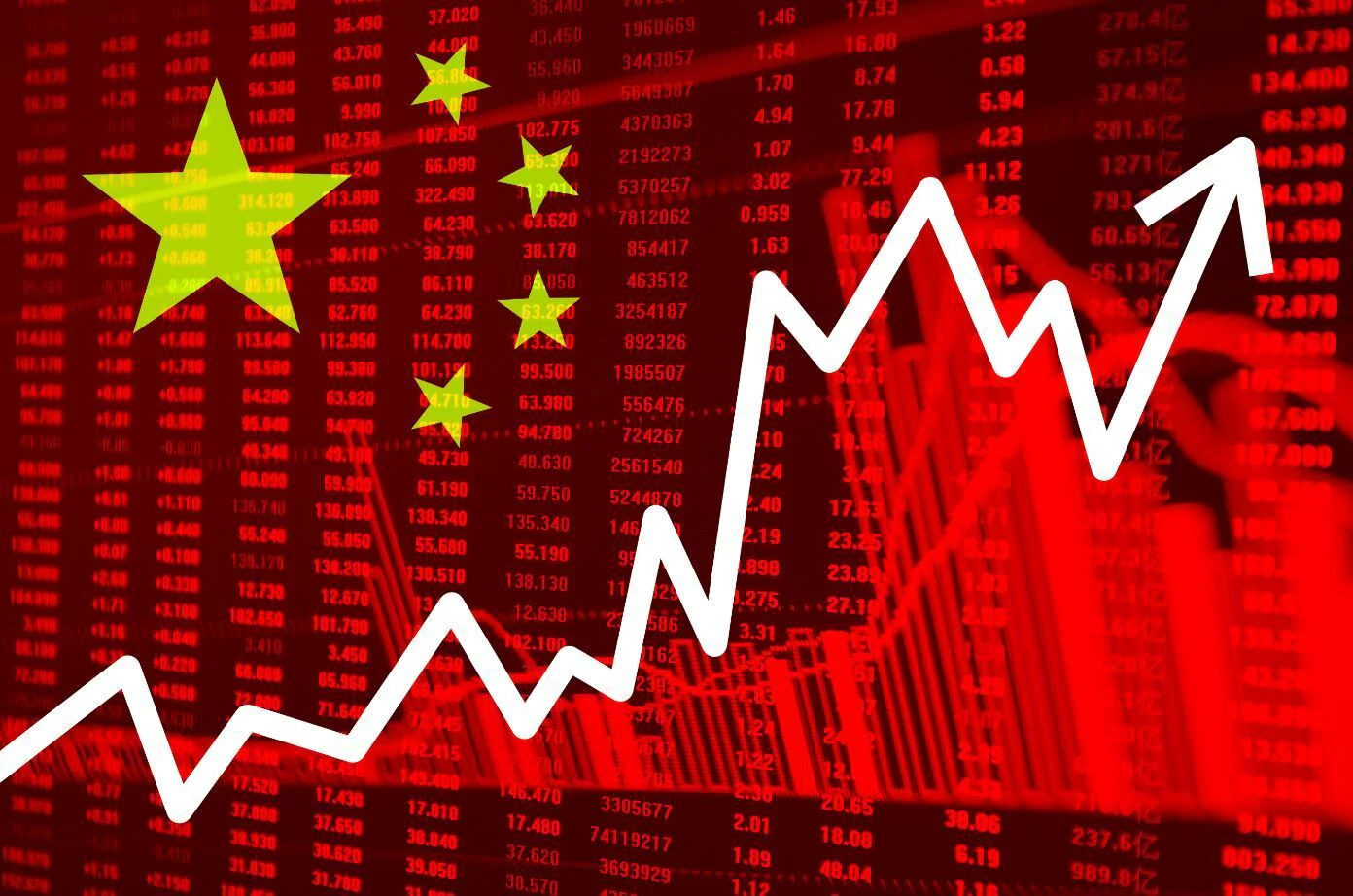
China’s markets snap a winning streak just before the holiday break, ending 2025 as one of the best-performing regions globally. This blog details the Shanghai Composite's recovery and the impact of "proactive" fiscal policies.
China’s equity markets have undergone a remarkable transformation in 2025. The Shanghai Composite finished its final trading day of the year essentially flat at 3,965, but this modest end masks a massive 18% annual surge—its best performance since 2019. The Shenzhen Component fared even better, ending the year up 30%. This "U-turn" in investor sentiment was largely driven by Beijing's aggressive pivot toward proactive fiscal stimulus and an accommodative monetary environment throughout the latter half of the year.
A key driver in today's market sentiment is the government’s signal of even more "proactive" fiscal policies for 2026. This has particularly buoyed local tech stocks like SMIC and Cambricon Technologies, which are benefiting from China's drive for domestic semiconductor self-sufficiency. However, the real estate and healthcare sectors remain laggards, as the structural debt issues of the past few years continue to weigh on these specific industries.
In Hong Kong, the Hang Seng Index rose 0.9% on its penultimate trading day, closing at 25,855. The city has reinforced its status as Asia’s fundraising hub, with six Chinese firms debuting in late December, most opening above their IPO prices. For global investors, the "China Story" has pivoted from one of crisis management to one of strategic tech growth, making it a key region to watch as the new Five-Year Plan begins to take center stage in early 2026.